Katsuhito Okubo

SPECIAL
INTERVIEW

Sumida and Me
Katsuhito Okubo

Electric bathhouse owner

Katsuhito Okubo​

Q 1. What kind of activities do you do in Sumida?
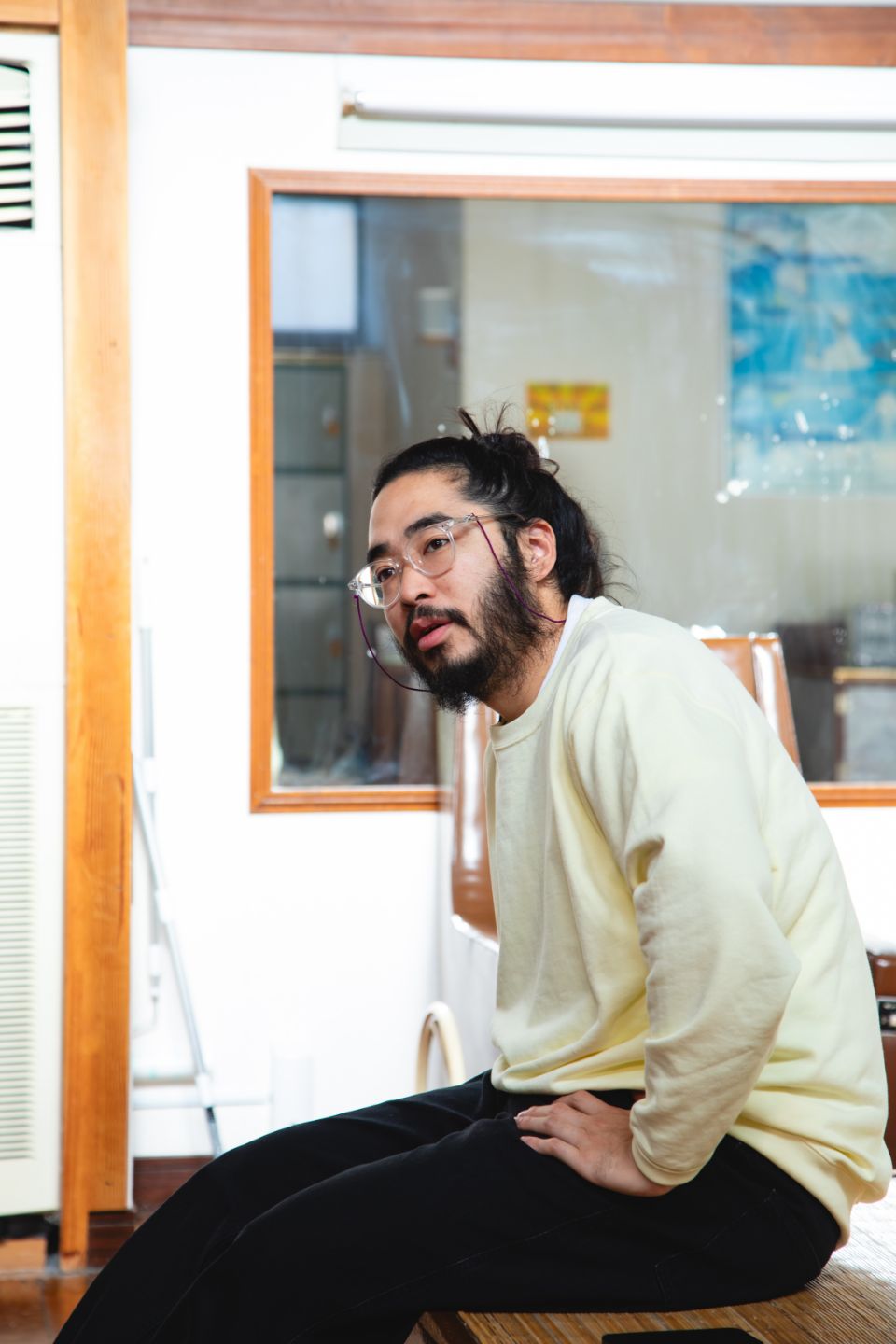
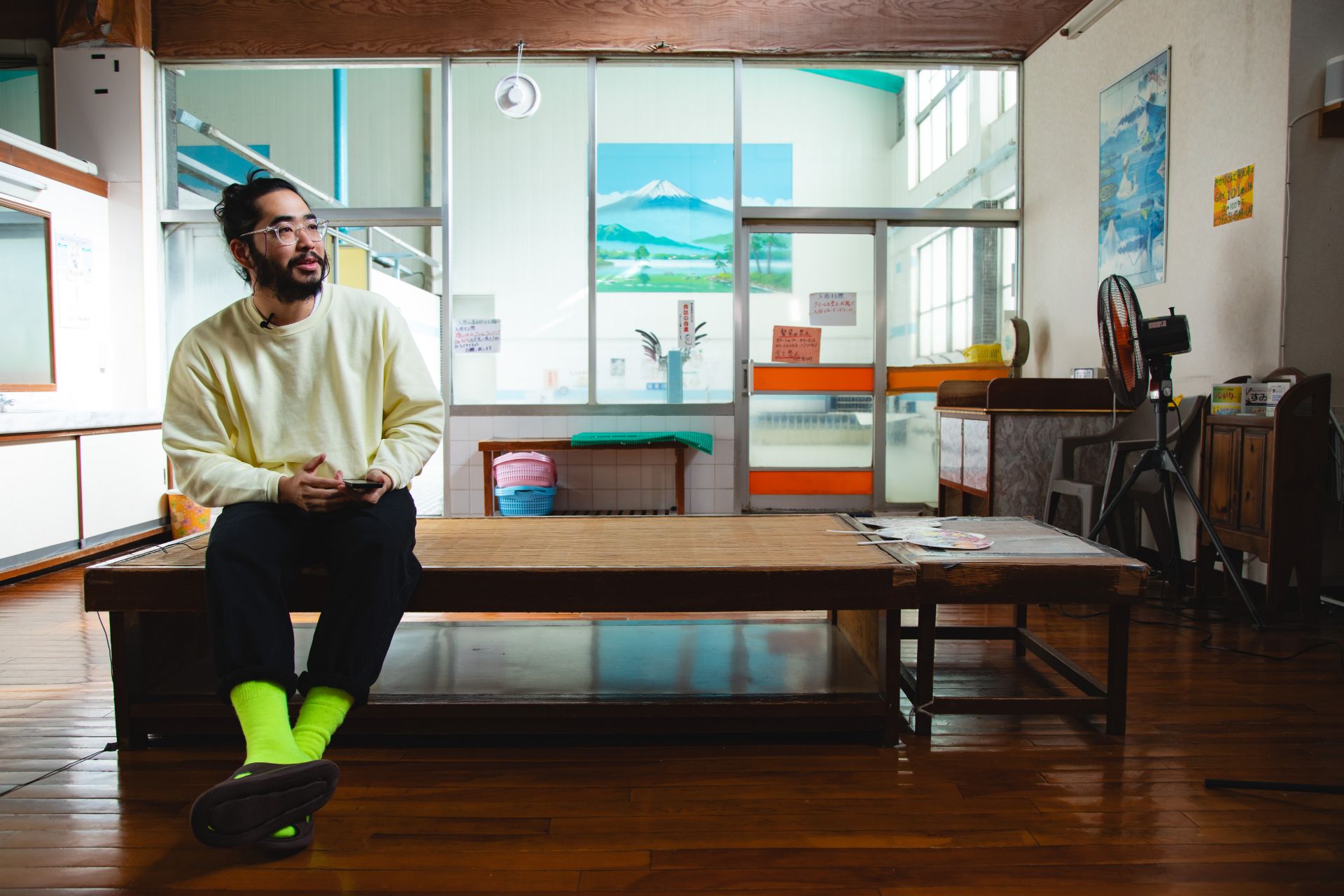
I run a public bathhouse called Denki-yu. Also, I'm involved in activities to preserve the streetscape of this area, with its rows of traditional row houses and warm neighborly relationships, because I find it very charming.
Furthermore, in order to create a town in Sumida Ward that is easy for young people to live in, we have established a forum called the "Youth Policy Council" where we invite council members to participate and have dialogues based on the theme of electric baths.
Q 2. How did you start working at Sumida?
Before taking over the public bathhouse, I worked in a department within a UN-related organization that was responsible for creating mechanisms to allow various social groups to have their opinions reflected in the UN. In the urban development department, I was involved in gathering the voices of children and young people in the Asian region, turning them into policies, and ensuring that these voices were reflected in the outcome documents of UN and international conferences.
After feeling a disconnect between negotiations and reality, I left that job and was unemployed for about a year. That's when my grandmother announced at a family gathering that she was closing the public bathhouse. I had absolutely no intention of taking over the bathhouse, but I figured I had no choice but to do it, since it would disappear if I didn't. Once I started, I got completely hooked.
Q2
Q 3. Please tell us about the charm of Sumida!
When I was traveling all over the world for the United Nations, I constantly felt like I didn't have a place to live. But since I started living here, I feel like I've found my "final home."
Kyojima is a densely populated area of wooden houses with many winding streets, so cars rarely come through, and the streets become like parks. People chat on the roadside, and children play. When street gardens extend in front of houses and various kinds of greenery are placed there, it often becomes a conversation starter, and people become acquainted with each other.
Also, because land prices are still low, there are many businesses run by individuals with a strong sense of personal style. I think everyone should move to Kyojima. Even though there aren't any large entertainment facilities here, there are some in Kinshicho, so the location is excellent.
Q3
Q 4. Sumi, what kind of town do you think it will become in five years?
First of all, I think the appearance of the electric bath has probably changed as well.
I feel like the town will be even more homogenized in five years. Kinshicho still has room to grow on the back streets, but the area in front of the station is already solidified. Hikifune is also being developed rapidly. I feel like Kyojima is just starting to be explored now, and even if my favorite living spaces are developed, I hope that the presence of Denki-yu (a public bathhouse) will help preserve the sense of community and the feeling that everyone belongs there. I would like it to become a little more lively, but if it becomes more lively, development will also increase. I feel that everyone close to me wants the atmosphere of Kyojima to remain unchanged.
PROFILE

Katsuhito Okubo

By 2019, she had served as the Southeast Asia Regional Director for Urban Development in the UN Major Group on Children and Youth, a board member of the SDGs Civil Society Network, and a director of the Japan Youth Platform for Sustainable Society, promoting the autonomous and democratic participation of youth and the creation of participation spaces for a sustainable society. She also conceived the Cabinet Office's Next Generation SDGs Promotion Platform Initiative and served as its secretariat member by 2019. Prompted by her grandmother's announcement that she was closing the public bathhouse, she took over the family business, "Denki-yu," and increased the number of visitors 2.5 times in two years.